

Quiz Summary
0 of 48 Questions completed
Questions:
Information
You have already completed the quiz before. Hence you can not start it again.
Quiz is loading…
You must sign in or sign up to start the quiz.
You must first complete the following:
Results
Results
Your time:
Time has elapsed
You have reached 0 of 0 point(s), (0)
Earned Point(s): 0 of 0, (0)
0 Essay(s) Pending (Possible Point(s): 0)
| Average score |
|
| Your score |
|
Categories
- Not categorized 0%
| Pos. | Name | Entered on | Points | Result |
|---|---|---|---|---|
| Table is loading | ||||
| No data available | ||||
- 1
- 2
- 3
- 4
- 5
- 6
- 7
- 8
- 9
- 10
- 11
- 12
- 13
- 14
- 15
- 16
- 17
- 18
- 19
- 20
- 21
- 22
- 23
- 24
- 25
- 26
- 27
- 28
- 29
- 30
- 31
- 32
- 33
- 34
- 35
- 36
- 37
- 38
- 39
- 40
- 41
- 42
- 43
- 44
- 45
- 46
- 47
- 48
- Current
- Review
- Answered
- Correct
- Incorrect
-
Question 1 of 48
1. Question
Tiger : Forest
-
Question 2 of 48
2. Question
Poles : Magnet
-
Question 3 of 48
3. Question
Conference : Chairman
-
Question 4 of 48
4. Question
Architect : Building
-
Question 5 of 48
5. Question
Flowing : River
-
Question 6 of 48
6. Question
Tea, a beloved beverage worldwide, has its roots deep in Chinese culture. Dating back thousands of years, the art of tea preparation and consumption has evolved into a sophisticated practice, reflecting the Chinese philosophy of harmony and balance.
Chinese tea is renowned for its diverse flavors, aromas, and health benefits. It is primarily made from the leaves of the Camellia sinensis plant, which can be processed in various ways to produce different types of tea. Green tea, known for its fresh taste and potential health advantages, is the most popular variety. Other types include black tea, oolong tea, white tea, and pu-erh tea, each with its own unique characteristics.
The preparation of Chinese tea is a meticulous process. It typically involves heating water to the ideal temperature, selecting the appropriate tea leaves, and steeping them for the correct amount of time. The quality of the water, the type of teapot, and the skill of the tea master all contribute to the final taste of the tea.
Chinese tea culture is deeply intertwined with social interactions. Drinking tea is often seen as a way to relax, connect with others, and appreciate the simple pleasures of life. Tea ceremonies, which involve a series of formal steps and rituals, are a common practice in Chinese society.
Where did tea originate?
-
Question 7 of 48
7. Question
What is the mean of the following numbers?
85, 82, 78, 79
-
Question 8 of 48
8. Question
Tea, a beloved beverage worldwide, has its roots deep in Chinese culture. Dating back thousands of years, the art of tea preparation and consumption has evolved into a sophisticated practice, reflecting the Chinese philosophy of harmony and balance.
Chinese tea is renowned for its diverse flavors, aromas, and health benefits. It is primarily made from the leaves of the Camellia sinensis plant, which can be processed in various ways to produce different types of tea. Green tea, known for its fresh taste and potential health advantages, is the most popular variety. Other types include black tea, oolong tea, white tea, and pu-erh tea, each with its own unique characteristics.
The preparation of Chinese tea is a meticulous process. It typically involves heating water to the ideal temperature, selecting the appropriate tea leaves, and steeping them for the correct amount of time. The quality of the water, the type of teapot, and the skill of the tea master all contribute to the final taste of the tea.
Chinese tea culture is deeply intertwined with social interactions. Drinking tea is often seen as a way to relax, connect with others, and appreciate the simple pleasures of life. Tea ceremonies, which involve a series of formal steps and rituals, are a common practice in Chinese society.
Which type of tea is the most popular in China?
-
Question 9 of 48
9. Question
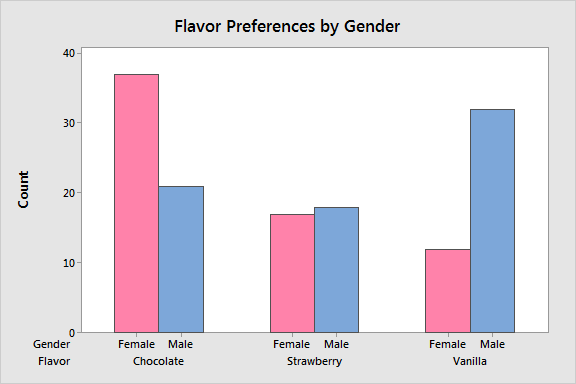
Based on the following chart, which flavor that males like the most?
-
Question 10 of 48
10. Question
Tea, a beloved beverage worldwide, has its roots deep in Chinese culture. Dating back thousands of years, the art of tea preparation and consumption has evolved into a sophisticated practice, reflecting the Chinese philosophy of harmony and balance.
Chinese tea is renowned for its diverse flavors, aromas, and health benefits. It is primarily made from the leaves of the Camellia sinensis plant, which can be processed in various ways to produce different types of tea. Green tea, known for its fresh taste and potential health advantages, is the most popular variety. Other types include black tea, oolong tea, white tea, and pu-erh tea, each with its own unique characteristics.
The preparation of Chinese tea is a meticulous process. It typically involves heating water to the ideal temperature, selecting the appropriate tea leaves, and steeping them for the correct amount of time. The quality of the water, the type of teapot, and the skill of the tea master all contribute to the final taste of the tea.
Chinese tea culture is deeply intertwined with social interactions. Drinking tea is often seen as a way to relax, connect with others, and appreciate the simple pleasures of life. Tea ceremonies, which involve a series of formal steps and rituals, are a common practice in Chinese society.
What is the key plant used in Chinese tea production?
-
Question 11 of 48
11. Question
The following chart shows the revenue of four sales representatives in the four quarters of 2020. Which quarter did Lincoln get the least revenues?

-
Question 12 of 48
12. Question
Tea, a beloved beverage worldwide, has its roots deep in Chinese culture. Dating back thousands of years, the art of tea preparation and consumption has evolved into a sophisticated practice, reflecting the Chinese philosophy of harmony and balance.
Chinese tea is renowned for its diverse flavors, aromas, and health benefits. It is primarily made from the leaves of the Camellia sinensis plant, which can be processed in various ways to produce different types of tea. Green tea, known for its fresh taste and potential health advantages, is the most popular variety. Other types include black tea, oolong tea, white tea, and pu-erh tea, each with its own unique characteristics.
The preparation of Chinese tea is a meticulous process. It typically involves heating water to the ideal temperature, selecting the appropriate tea leaves, and steeping them for the correct amount of time. The quality of the water, the type of teapot, and the skill of the tea master all contribute to the final taste of the tea.
Chinese tea culture is deeply intertwined with social interactions. Drinking tea is often seen as a way to relax, connect with others, and appreciate the simple pleasures of life. Tea ceremonies, which involve a series of formal steps and rituals, are a common practice in Chinese society.
What is the primary purpose of a tea ceremony in Chinese culture?
-
Question 13 of 48
13. Question
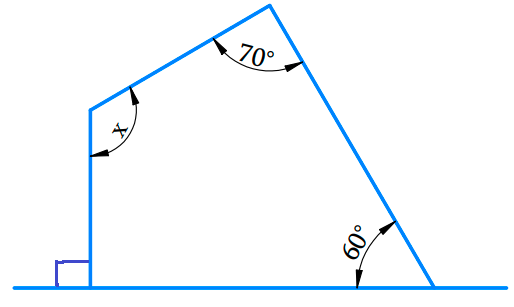
Find the angle x in degrees
-
Question 14 of 48
14. Question
Tea, a beloved beverage worldwide, has its roots deep in Chinese culture. Dating back thousands of years, the art of tea preparation and consumption has evolved into a sophisticated practice, reflecting the Chinese philosophy of harmony and balance.
Chinese tea is renowned for its diverse flavors, aromas, and health benefits. It is primarily made from the leaves of the Camellia sinensis plant, which can be processed in various ways to produce different types of tea. Green tea, known for its fresh taste and potential health advantages, is the most popular variety. Other types include black tea, oolong tea, white tea, and pu-erh tea, each with its own unique characteristics.
The preparation of Chinese tea is a meticulous process. It typically involves heating water to the ideal temperature, selecting the appropriate tea leaves, and steeping them for the correct amount of time. The quality of the water, the type of teapot, and the skill of the tea master all contribute to the final taste of the tea.
Chinese tea culture is deeply intertwined with social interactions. Drinking tea is often seen as a way to relax, connect with others, and appreciate the simple pleasures of life. Tea ceremonies, which involve a series of formal steps and rituals, are a common practice in Chinese society.
Which of the following factors does not influence the taste of Chinese tea?
-
Question 15 of 48
15. Question
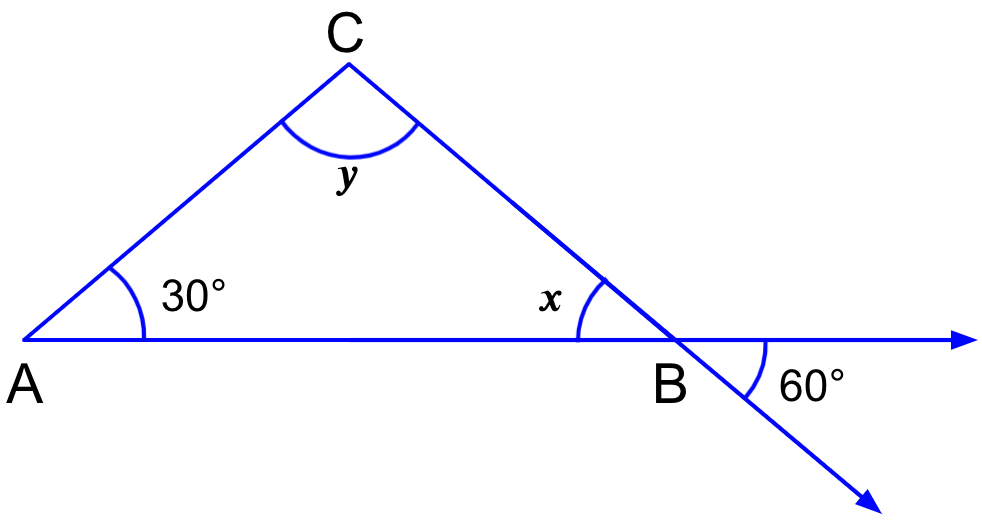
Find the angle y in degrees
-
Question 16 of 48
16. Question
Tea, a beloved beverage worldwide, has its roots deep in Chinese culture. Dating back thousands of years, the art of tea preparation and consumption has evolved into a sophisticated practice, reflecting the Chinese philosophy of harmony and balance.
Chinese tea is renowned for its diverse flavors, aromas, and health benefits. It is primarily made from the leaves of the Camellia sinensis plant, which can be processed in various ways to produce different types of tea. Green tea, known for its fresh taste and potential health advantages, is the most popular variety. Other types include black tea, oolong tea, white tea, and pu-erh tea, each with its own unique characteristics.
The preparation of Chinese tea is a meticulous process. It typically involves heating water to the ideal temperature, selecting the appropriate tea leaves, and steeping them for the correct amount of time. The quality of the water, the type of teapot, and the skill of the tea master all contribute to the final taste of the tea.
Chinese tea culture is deeply intertwined with social interactions. Drinking tea is often seen as a way to relax, connect with others, and appreciate the simple pleasures of life. Tea ceremonies, which involve a series of formal steps and rituals, are a common practice in Chinese society.
What is the significance of tea in Chinese culture?
-
Question 17 of 48
17. Question
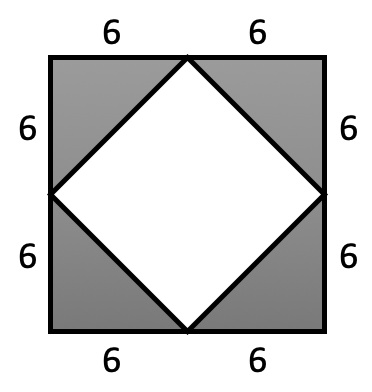
Find the shaded area
-
Question 18 of 48
18. Question
The scientist conducted a _______ experiment to _______ the effects of climate change on coral reefs.
-
Question 19 of 48
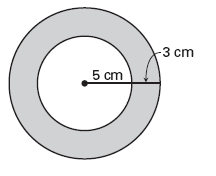
19. Question
Find the shaded area in cm square
-
Question 20 of 48
20. Question
1. The teacher asked us to _____ the experiment carefully and _____ our results in the lab notebook.
-
Question 21 of 48
21. Question
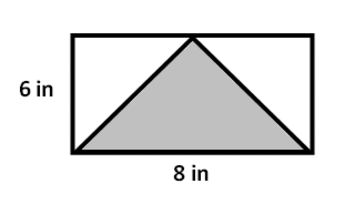
Find the shaded area
-
Question 22 of 48
22. Question
The doctor advised me to _____ smoking and _____ more fruits and vegetables.
-
Question 23 of 48
23. Question
Physician : Treatment -
Question 24 of 48
24. Question
The students were excited to _____ the new science museum and _____ all the exhibits.
-
Question 25 of 48
25. Question
Race : Fatigue
-
Question 26 of 48
26. Question
Ahmed didn’t ……. the lesson, so he ……………….a question.
-
Question 27 of 48
27. Question
-
Question 28 of 48
28. Question
It is good for you to spend more than you earn.
-
Question 29 of 48
29. Question
3 pens cost 11 SR, how much do 6 pens cost?
-
Question 30 of 48
30. Question
To use your time efficiently, you need to know that time waits for all of us.
-
Question 31 of 48
31. Question
Ahmed has 30 SR, while Sara has twice that amount. How much do Ahmed and Sara have together?
-
Question 32 of 48
32. Question
Careful consideration and planning are silent before making important decisions.
-
Question 33 of 48
33. Question
Diversify your investment to maximize risk and maximize potential returns.
-
Question 34 of 48
34. Question
Car A travels in speed 45 km/hour, and car B travels in 0.5 km/minute.
Compare
Value A: Car A speed
Value B: Car B speed
-
Question 35 of 48
35. Question
Maintaining truthful and open communication weakens trust and long-lasting connection.
-
Question 36 of 48
36. Question
A factory can produce 100 products in 10 minutes. How much time does it need to produce 3000 products.
-
Question 37 of 48
37. Question
Ahmed and Faisal have 200 SR. The ratio of Ahmed to Faisal is 2:3. How much does Ahmed have?
-
Question 38 of 48
38. Question
Three consecutive integers, their sum is 45. What is the smallest numbers?
-
Question 39 of 48
39. Question
The time is 12:30. What is the angle between the hours hand and the minutes hand in degrees?
-
Question 40 of 48
40. Question
16+17+18+19+20+21+22+23+24=
-
Question 41 of 48
41. Question
Today is Saturday, what day will be after 38 days?
-
Question 42 of 48
42. Question
3x +5=-2x+25
X=
-
Question 43 of 48
43. Question
-
Question 44 of 48
44. Question
-
Question 45 of 48
45. Question
How many handshakes are there if four people meet and shake hands with each other?
-
Question 46 of 48
46. Question
Which of the following is prime number?
-
Question 47 of 48
47. Question
-
Question 48 of 48
48. Question
The scientist meticulously recorded all her observations in her _____ , ensuring that no
detail was _____ .
